Last Updated: April 14, 2026 Author: Yunenx Sales Team
Sportswear & Swimwear Manufacturing Specialist | Connect on LinkedIn | Email | www.yunenx.com
Introduction
What is a custom yoga wear manufacturer for private label brands?
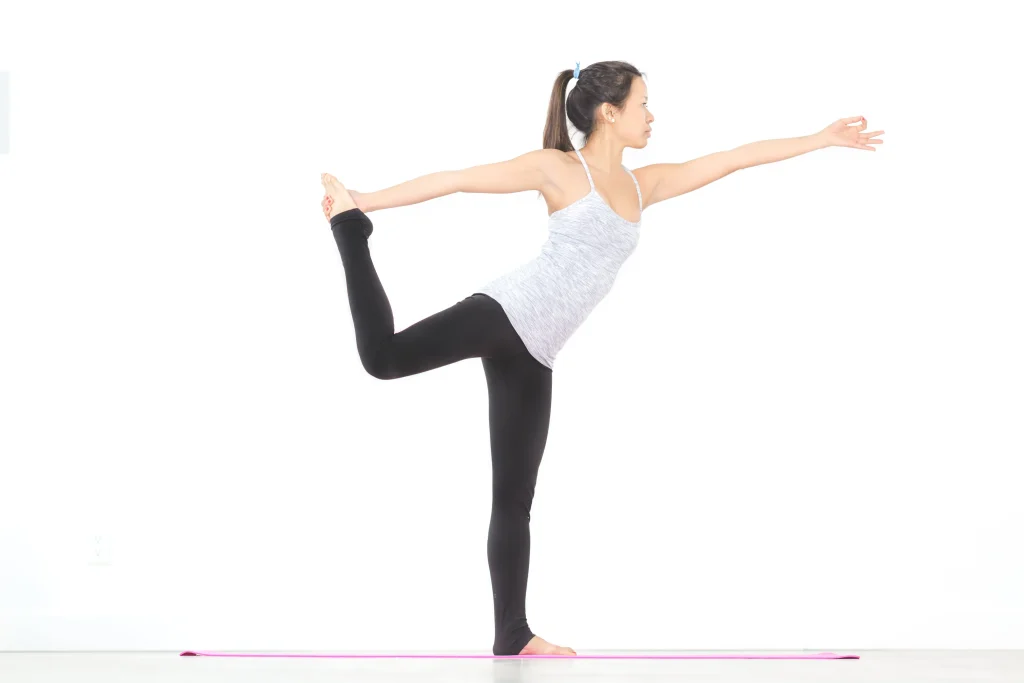
A custom yoga wear manufacturer is a factory that develops and produces yoga apparel—such as leggings, sports bras, and sets—based on a brand’s specifications, including fabric, fit, performance features, and branding elements.
For many startup and growing activewear brands, the biggest challenge is not design—it’s finding a reliable manufacturing partner.
We’ve observed that issues like unstable sizing, inconsistent fabric quality, and delayed delivery are very common in early-stage production. Choosing the right custom yoga wear manufacturer for private label brands directly impacts your product quality, customer retention, and long-term scalability.
Key Takeaways
- A strong manufacturer should support low MOQ + stable quality + fast sampling
- Fabric performance (4-way stretch, compression, GSM) matters more than price
- Lab dip and sampling are critical to avoid bulk production risks
- Misunderstanding lead time is one of the most frequent problems
- Direct factory cooperation is usually more efficient than trading companies
What Is a Custom Yoga Wear Manufacturer?
A custom yoga wear manufacturer for private label brands is not just producing garments—it is part of your product development and brand-building process.
Industry Background
The global activewear market continues to expand as consumers shift toward healthier lifestyles and athleisure fashion. According to Statista, demand for performance apparel is growing steadily, especially in yoga and fitness segments.
Key Market Trends
- Sustainability: recycled polyester, recycled nylon fabrics
- Performance Technology: moisture-wicking, anti-odor, compression zoning
- Circular Economy: durable products with longer lifecycle
Factory Role in Your Brand
A qualified manufacturer should provide:
- OEM production (your designs)
- ODM support (design assistance)
- Flexible MOQ for startups
- Fast development cycles
In our experience, brands that scale faster usually treat factories as partners in development, not just suppliers.
Key Factors When Choosing a Manufacturer
1. Fabric Performance Parameters
You should always request measurable specs:
- 4-way stretch for flexibility
- Compression level (light / medium / high)
- GSM weight: typically 180–300 GSM
- Moisture-wicking rate
- UPF 50+ (for outdoor collections)
- Color fastness ≥ Grade 4
We’ve seen clients choose cheaper fabrics that looked fine initially—but failed after washing.
2. Sports Bra Support Structure
For yoga bras, support is critical:
- Elastic band strength
- Cup construction
- Breathability zones
Real case:
A client once complained about “no support”—the issue wasn’t fabric, but incorrect elastic tension and pattern design.
3. MOQ & Flexibility
Typical range:
- 100–300 pcs per style (startup-friendly)
- 500+ pcs (better cost efficiency)
Too high MOQ at the beginning increases risk.
Step-by-Step Guide: From Idea to Bulk Production
1. Material Selection
Options:
- Nylon + spandex (premium, soft, durable)
- Polyester + spandex (cost-effective)
2. Tech Pack Confirmation
Must include:
- Measurement chart
- Stitching details
- Logo placement
- Fabric specifications
3. Lab Dip Approval (Critical Step)
Ensures color accuracy.
Risk:
Skipping this step may cause bulk color inconsistency.
4. Sampling Stage
- 7–12 days typical
- Multiple revisions often needed
We’ve seen brands skip revisions to save time—it usually leads to bigger losses later.
5. Fit Testing
Test on real users, not just mannequins.
Common issue:
Fit looks good on model, but fails for wider customer base.
6. Bulk Production
- 20–35 days depending on order
- Influenced by fabric stock availability
7. Quality Inspection
Check:
- Size tolerance (±1–2 cm)
- Stitch quality
- Logo placement
8. Shipping & Risk Control
Key risks:
- Lead time miscalculation
- Incorrect labeling
- Customs delays
👉 Always confirm shipping terms (FOB / DDP)
Common Mistakes to Avoid
- Skipping sampling stage
- Misunderstanding production lead time
- Ignoring fabric testing reports
- Not confirming size specifications
- Choosing suppliers based only on price
One honest truth:
The cheapest option often becomes the most expensive.
B2B Comparison Table: Low MOQ vs High MOQ Production
| Criteria | Low MOQ Production | High MOQ Production |
|---|---|---|
| Risk Level | Lower | Higher |
| Cost per unit | Higher | Lower |
| Flexibility | Strong | Limited |
| Speed to market | Faster | Slower |
| Best for | Startups | Established brands |
👉 Recommendation: Start low, then scale.
Checklist Before Placing Bulk Order
- Fabric composition confirmed
- Sample approved
- Size chart validated
- Production lead time confirmed
- QC standards agreed
- Packaging details finalized
FAQ + Quick Answer Box
Quick Answers
- MOQ: 100–300 pcs/style
- Lead time: 20–35 days
- Fabric: Nylon / Polyester + Spandex
- Customization: Yes (logo, design, color)
FAQ
Q1: What is your MOQ?
Usually 100–300 pcs per style. Please contact us to confirm.
Q2: How long is production?
Sampling: 7–12 days
Bulk: 20–35 days
Q3: What fabrics do you use?
Mainly nylon/spandex and polyester/spandex blends.
Q4: Do you support private label customization?
Yes, including logo printing, color matching, and full development.
External Reference
Related Articles
- How to Choose a Reliable Sportswear Manufacturer
- Best Fabrics for Sportswear Manufacturing
- Low MOQ Sportswear Manufacturer Guide
- Custom Teamwear Manufacturer Guide
- Sportswear Production Process Explained
About the Author:
Yunenx Sportswear Team is a professional manufacturer specializing in custom sportswear, teamwear and swimwear for global brands and sports clubs.
If you are looking for a reliable custom sportswear manufacturer,
our factory specializes in sportswear, swimwear and activewear production for growing brands.