Last Updated: May 7, 2026 | By Yunenx Sales Team
📧 Email: [email protected]
🔗 Connect on LinkedIn
🌐 Visit our website: www.yunenx.com
💬 Chat on WhatsApp
What is the difference between activewear and sportswear?
The difference between activewear and sportswear is no longer just about fashion versus function. For modern apparel brands, the distinction affects fabric sourcing, production costs, target consumers, retail pricing, and even OEM manufacturing strategy.
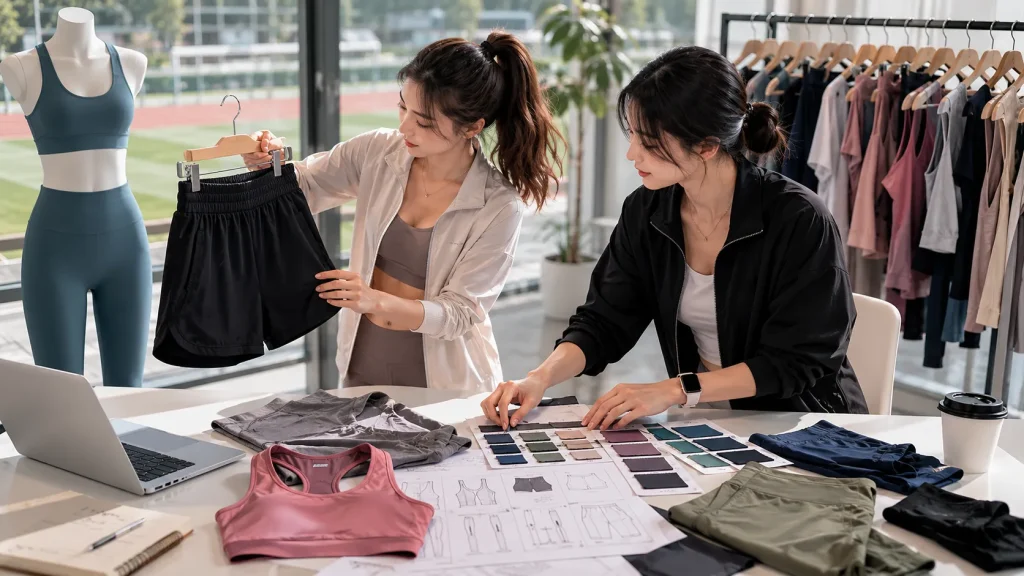
Many startup brands confuse the two categories during product development. We’ve seen buyers request “sportswear” samples, but their reference designs were actually lifestyle-oriented activewear pieces for yoga, coffee runs, and casual daily wear. That changes everything — fabric selection, compression level, GSM weight, and production methods.
As the global athleisure market continues growing, understanding the real difference between activewear and sportswear helps brands avoid costly sourcing mistakes and position products correctly.
According to Statista, the global athleisure market continues to expand as consumers increasingly prefer multifunctional apparel that combines comfort and performance (2025).
Key Takeaways
- Activewear is designed for both exercise and casual daily wear
- Sportswear focuses more on performance in specific sports
- Fabric performance requirements are usually higher for sportswear
- Compression level, moisture management, and durability standards differ significantly
- MOQ and production complexity vary depending on garment category
- Choosing the wrong category may lead to higher returns and poor customer satisfaction
What Is Activewear vs Sportswear?
Understanding Activewear
Activewear refers to apparel designed for light-to-medium physical activity while maintaining a fashionable everyday appearance.
Typical products include:
- Yoga leggings
- Seamless sports bras
- Joggers
- Cropped hoodies
- Lounge sets
Consumers wear activewear not only in gyms, but also:
- During travel
- While working remotely
- For casual social activities
- During low-impact fitness sessions
In our experience manufacturing sportswear and swimwear, activewear buyers often prioritize:
- Soft hand feel
- Matte fabric appearance
- Mid-level compression
- Stretch recovery
- Fashion color trends
The rise of athleisure blurred the line between fitness apparel and streetwear. Honestly, many end consumers now expect one outfit to do both.
Common Activewear Fabric Specs
- 4-way stretch
- 220–300 GSM
- Nylon-spandex blends
- Moisture-wicking finish
- Light-to-medium compression
Understanding Sportswear
Sportswear is performance-driven apparel engineered for specific athletic activities.
Typical examples:
- Running shorts
- Soccer jerseys
- Cycling bibs
- Tennis skirts
- Swim team suits
- Compression tops
Sportswear production requires more technical control because garments must withstand:
- Sweat exposure
- Repeated washing
- Outdoor conditions
- High-intensity movement
Key technical requirements may include:
- UPF 50+
- Chlorine resistance
- Abrasion resistance
- Breathability testing
- Quick-dry performance
For example, competitive swimwear fabrics often require chlorine resistance above industry average standards. That’s very different from fashion-focused activewear.
We’ve observed that newer brands sometimes underestimate testing requirements. Then bulk production starts, and issues appear after consumer wear trials. Not ideal.
Market Trends Shaping Both Categories
Sustainability Is Becoming Standard
More brands now request:
- Recycled nylon
- Recycled polyester
- OEKO-TEX certified fabrics
- Digital printing
- Lower water-consumption dyeing
Textile Exchange continues reporting increased global demand for recycled textile materials and traceable supply chains.
Popular sustainable materials include:
- REPREVE recycled polyester
- ECONYL regenerated nylon
- Bamboo blends
- Bio-based elastane developments
Performance Technology Matters More
Consumers increasingly expect:
- Sweat management
- Anti-odor treatment
- UV protection
- Shape retention
- Seamless comfort
Even casual activewear brands now ask about compression testing and pilling resistance.
Key Factors When Choosing Between Activewear and Sportswear
1. Fabric Performance Requirements
| Feature | Activewear | Sportswear |
|---|---|---|
| Compression Level | Medium | Medium to high |
| GSM Weight | 220–300 GSM | 140–280 GSM |
| Moisture Management | Important | Critical |
| Chlorine Resistance | Usually not required | Often required |
| UPF 50+ | Optional | Common for outdoor sports |
| Abrasion Resistance | Moderate | High |
Avoid vague sourcing language like “good quality fabric.” It creates confusion during production.
Instead, specify:
- Fabric composition
- Stretch percentage
- Recovery rate
- Weight
- Finishing requirements
2. Design Complexity
Activewear often includes:
- Fashion cut lines
- Scrunch seams
- Rib textures
- Matching sets
Sportswear may require:
- Reinforced stitching
- Flatlock seams
- Ventilation panels
- Reflective printing
The more technical the garment, the more important factory experience becomes.
3. MOQ and Production Planning
Some activewear styles support lower MOQ production because fabrics are easier to source.
Sportswear can be trickier:
- Custom dyeing
- Specialized trims
- Technical fabric MOQ
- Performance testing
A buyer once wanted only 50 pieces per printed compression style with custom fabric development. Realistically, most factories will struggle with that setup.
Step-by-Step Guide for OEM Apparel Production
Step 1: Material Selection
Confirm:
- Fabric composition
- GSM
- Stretch direction
- Colorfastness
- Certification requirements
Step 2: Tech Pack Confirmation
Include:
- Measurement chart
- Stitch details
- Logo placement
- Fabric codes
- Print artwork
Skipping details here causes production delays later.
Step 3: Lab Dip Approval
Before bulk dyeing:
- Confirm Pantone matching
- Evaluate under lighting conditions
- Test color consistency
Step 4: Sampling Stage
Never skip samples to save money.
Seriously. The sampling cost is usually much smaller than bulk correction costs.
Step 5: Fit Testing
Conduct:
- Movement testing
- Squat testing
- Stretch recovery evaluation
- Wash testing
Especially important for leggings and compression garments.
Step 6: Bulk Production
Monitor:
- Fabric shrinkage
- Stitch consistency
- Cutting accuracy
- Production timeline
Lead time misunderstandings are one of the biggest sourcing problems we see.
Step 7: Quality Inspection
Inspect:
- Size tolerance
- Print alignment
- Needle damage
- Seam strength
- Color variation
Recommended AQL standards should be agreed before production.
Step 8: Shipping & Risk Control
Confirm:
- Packaging method
- Carton specifications
- Shipping marks
- Customs documentation
Do not finalize shipping too late. Peak season delays happen every year.
Common Mistakes Brands Make
Skipping Sampling
Trying to save sample costs often creates expensive bulk problems later.
One sizing mistake can affect an entire collection.
Ignoring Fabric Testing
A fabric may feel soft initially but fail after repeated washing.
Always test:
- Pilling
- Stretch recovery
- Colorfastness
- Opacity
Misunderstanding Lead Time
Custom dyeing and printing require additional development time.
Production is not only sewing.
No Size Spec Confirmation
Different markets fit differently:
- US sizing
- European sizing
- Middle East preferences
- Asian fit adjustments
Never assume.
B2B Comparison Table
China vs Vietnam vs Bangladesh for Activewear Production
| Factor | China | Vietnam | Bangladesh |
|---|---|---|---|
| Fabric Supply Chain | Strongest | Moderate | Limited |
| Technical Sportswear Capability | High | Medium-High | Medium |
| MOQ Flexibility | Better for startups | Moderate | Usually higher |
| Sampling Speed | Fast | Medium | Slower |
| Sustainable Fabric Availability | Excellent | Growing | Limited |
| Price Competitiveness | Medium | Medium | Lower |
| OEM Development Support | Strong | Moderate | Moderate |
For startup activewear brands, China still offers major advantages in fabric sourcing flexibility and development speed.
Bulk Order Checklist
Before placing bulk order, check:
- Fabric composition confirmed
- Compression requirement approved
- Sample approved
- Size chart validated
- Production lead time confirmed
- Packaging requirements clear
- QC standard agreed
- Shipping timeline planned
- Lab dip approved
- Logo artwork finalized
Ready to Build Your Activewear or Sportswear Collection?
Yunenx supports:
- Low MOQ development
- OEM/ODM manufacturing
- Sustainable fabric sourcing
- Sampling and fit development
- Custom printing and branding
If you’re building an activewear or sportswear brand, we’d be happy to support your development process from idea to bulk production.
Contact us to request a quote or sample.
FAQ + Quick Answer Box
Quick Answer Box
| Question | Quick Answer |
|---|---|
| What is the MOQ? | Usually 100–300 pcs per style depending on fabric and printing |
| Production lead time? | Around 25–45 days after sample approval |
| What fabrics are commonly used? | Nylon-spandex, polyester-spandex, recycled performance fabrics |
| Do you support customization? | Yes, including OEM/ODM development |
What is the main difference between activewear and sportswear?
Activewear combines comfort, lifestyle, and light performance, while sportswear focuses more on technical athletic performance and sport-specific functionality.
What fabrics are best for activewear?
Popular choices include:
- Nylon-spandex
- Recycled polyester
- Seamless knit fabrics
- Moisture-wicking blends
Fabric choice depends on compression level and target usage.
Can startups order with low MOQ?
Yes, but it depends on:
- Fabric availability
- Printing method
- Number of colorways
- Design complexity
Please contact us to confirm your specific project.
How long does custom production take?
Typical timeline:
- Sampling: 7–15 days
- Bulk production: 25–45 days
Complex sportswear projects may require additional testing time.
Do you support sustainable activewear manufacturing?
Yes. Sustainable options may include:
- Recycled nylon
- OEKO-TEX certified fabrics
- Digital printing
- Eco-friendly packaging
Please contact us to confirm current fabric availability.
Related Articles
- Seamless Yoga Leggings vs Regular Leggings: What’s the Difference?
- Best Activewear Manufacturer for Startups
- Low MOQ Sportswear Factory Options in China
If you’re serious about launching or scaling your sportswear line, this is where the real work begins.
And yes—don’t skip sampling. You’ll thank yourself later. Connect on LinkedIn | Email | www.yunenx.com | WhatsApp