Last Updated: March 26 2026 Author: Yunenx Sales Team
Sportswear & Swimwear Manufacturing Specialist | Connect on LinkedIn | Email | www.yunenx.com
Introduction
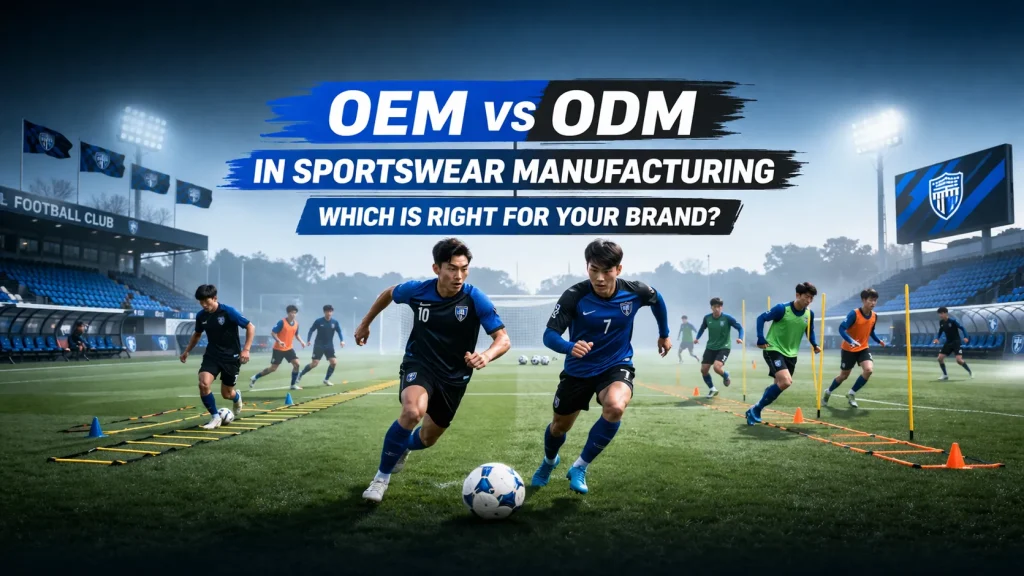
What is the difference between OEM (Original Equipment Manufacturing) and ODM (Original Design Manufacturing) in sportswear manufacturing? These two models are essential for brands looking to produce custom sportswear, but each offers distinct advantages depending on your business needs and goals. Let’s explore both concepts and determine which is right for your brand.
What It Is
OEM (Original Equipment Manufacturer) and ODM (Original Design Manufacturer) are both manufacturing models where businesses partner with suppliers to create products. However, the key difference lies in the level of design involvement:
- OEM: In this model, brands provide the design specifications, and manufacturers create the products based on those designs. The brand owns the design and is involved in the product development process.
- ODM: Here, manufacturers take charge of the design process. Brands select from existing designs and request modifications, often allowing for faster turnaround times and less involvement in design specifics.
Key Factors to Consider When Choosing OEM or ODM for Sportswear Manufacturing
- Design Control
If your brand has a unique vision or specific design requirements, OEM is the best option. With OEM, you maintain complete control over the design, ensuring your sportswear is one-of-a-kind and tailored to your audience’s preferences. ODM, however, is ideal if you want to save time and effort in the design phase, as manufacturers provide ready-to-go designs. - Cost Efficiency
Generally, ODM can be more cost-effective since manufacturers already have established designs. The production process is streamlined, and there are often lower initial costs involved. On the other hand, OEM can be more expensive due to the custom design process and higher production costs, but it allows for more tailored products. - Time to Market
ODM offers faster production times since the designs are pre-made, making it an attractive option for brands needing quick turnaround. OEM requires more time for the design and approval stages, so it’s better suited for long-term strategies rather than immediate product launches. - Quality Control and Innovation
With OEM, you have more control over the quality and material choices used in production, allowing for greater customization. ODM might offer less flexibility, but established manufacturers often provide high-quality options and a broad range of designs that can be modified to meet your standards.
Step-by-Step Guide to Choosing Between OEM and ODM for Sportswear
- Assess Your Brand’s Needs
Does your brand require unique designs, or are you looking for fast and cost-effective solutions? If your priority is standing out with exclusive designs, go with OEM. If you want to scale production quickly with reliable designs, ODM is a better option. - Consider Your Budget
Budget plays a significant role in deciding between OEM and ODM. ODM is generally more budget-friendly, especially if you’re just starting. OEM is suitable for established brands with higher budgets for custom designs. - Evaluate Lead Times
If time is critical, ODM can help get your products to market faster. However, if you’re willing to wait for a customized approach, OEM will allow you to have full control over every design aspect. - Research Potential Manufacturers
Whether you’re opting for OEM or ODM, it’s essential to choose a manufacturer with a strong track record in the sportswear industry. Look for manufacturers that offer consistent quality control, transparent processes, and a history of successful collaborations.
Not sure whether to choose OEM or ODM?
We can help you:
- Recommend the right model based on your brand stage
- Support both OEM (custom design) and ODM (ready styles)
- Start with low MOQ for testing
👉 Send us your requirements to get a quick quotation. Connect on LinkedIn | Email | www.yunenx.com
Many startups begin with ODM for faster market entry, then move to OEM as their brand grows.
Common Mistakes to Avoid in OEM and ODM Sportswear Manufacturing
- Neglecting to Research Manufacturers
Not all manufacturers are equal. Always vet potential partners and check their reviews, sample products, and manufacturing capabilities before committing. - Overlooking the Need for Prototypes
Whether choosing OEM or ODM, skipping prototypes can lead to product flaws and delays. Always ensure you review a sample before going into full production. - Underestimating the Design Process
If opting for OEM, underestimate the time and effort required for the design phase, and you may find yourself behind schedule. Proper planning is essential.
Conclusion
Both OEM and ODM offer distinct advantages for sportswear brands, depending on their specific needs, budget, and timelines. If you want total control over your designs, go with OEM. If you’re looking to save time and money while still creating high-quality sportswear, ODM might be the better option.
If you’re interested in starting your sportswear line, whether through OEM or ODM, we’d love to help you find the perfect manufacturing solution. Contact us today to discuss how we can bring your vision to life! Connect on LinkedIn | Email | www.yunenx.com
External Resources (Authority Links)
- Textile Exchange (Sustainability data): https://textileexchange.org
- McKinsey Fashion Report: https://www.mckinsey.com/industries/retail
- Statista Swimwear Market Data: https://www.statista.com
FAQ
What is the MOQ for custom sportswear orders?
MOQ typically ranges from 100 to 500 units, depending on the manufacturer and the model (OEM or ODM).
How long does it take to manufacture sportswear?
Manufacturing time can vary from 2 to 6 weeks depending on the complexity of the design and the order volume.
Can I combine OEM and ODM models for my brand?
Yes, many brands combine both models to offer a mix of custom designs and ready-made products for different parts of their collections.
Industry Data and Trends
The sportswear market is expected to grow by 6% annually globally. As customization and sustainability gain traction, the demand for OEM and ODM models is increasing, allowing brands to meet consumer expectations for both unique designs and fast, cost-effective production.
Related Articles
About the Author
Yunenx Sportswear is a professional manufacturer specializing in custom sportswear, teamwear, and sports-related apparel for global brands. With over 20 years of experience, we provide high-quality sportswear tailored to your brand’s needs.
What model do you prefer for your sportswear brand—OEM or ODM? Share your thoughts in the comments below! Let’s discuss the pros and cons. Connect on LinkedIn | Email | www.yunenx.com